When I was thinking about whether or not I should join the USN, my recruiter had some pretty good reasons. Here are some of them:
Norfolk
, VA
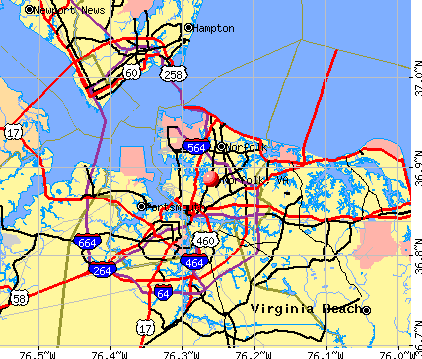
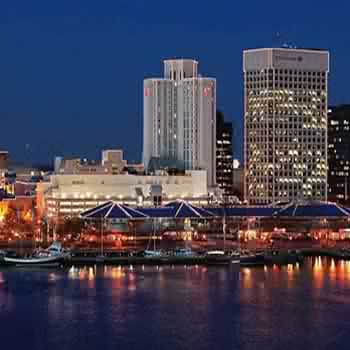
Norfolk is an independent city in the Commonwealth of Virginia, in the United States of America. With a population of 234,403 as of the 2000 census, Norfolk is Virginia's second-largest incorporated city. Norfolk is located in the Hampton Roads region, named for the large natural harbor of the same name located at the mouth of Chesapeake Bay. Norfolk is one of nine cities and seven counties that constitute the Hampton Roads metropolitan area, officially known as the Virginia Beach-Norfolk-Newport News, VA-NC MSA. The city is bordered to the west by the Elizabeth River and to the north by the Chesapeake Bay. It also shares land borders with the independent cities of Chesapeake to its south and Virginia Beach to its east.
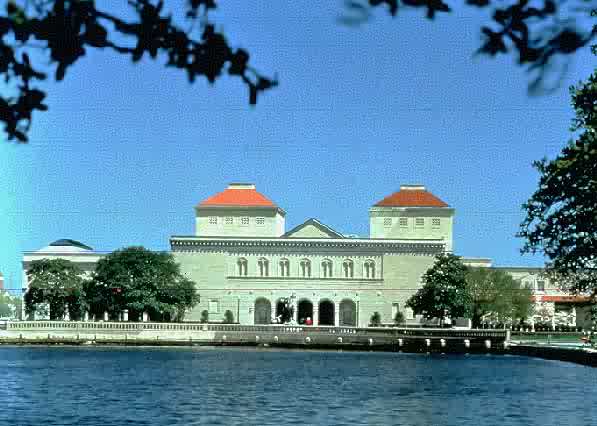
One of the oldest of the Seven Cities of Hampton Roads, Norfolk is considered to be the historic,
urban, financial, and cultural center of the region. The city has a long history
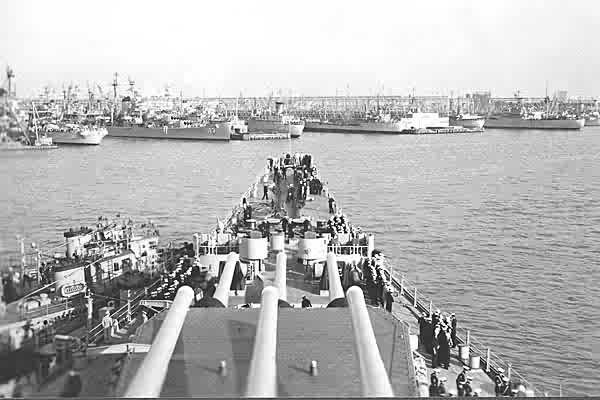
as a strategic military and transportation point.Norfolk is home to both the Norfolk Naval Base, the world's largest naval base,
and corporate headquarters of the Norfolk Southern Railway, one of North America's
principal Class I railroads. As it is surrounded by multiple bodies of water, Norfolk
has many miles of riverfront and bayfront property, and is linked with its neighbors
by an extensive network of Interstate highways, bridges, tunnels, and bridge-tunnel
complexes.
San Diego, CA

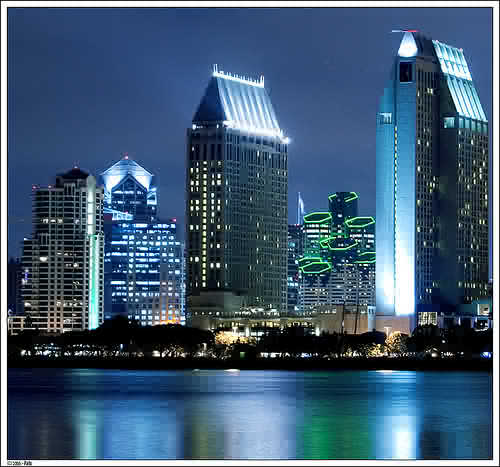
San Diego is a coastal Southern California city located in the southwestern corner of the continental United States. As of 2006, the city has a population of 1,256,951.[1] It is the second largest city in California and the eighth largest city in the United States. It is the county seat of San Diego County.GR6 and is the economic center of the San Diego–Carlsbad–San Marcos metropolitan area, the 17th-largest metro area in the U.S. with a population of 2.9 million as of 2006, and the 21st largest Metropolitan area in the Americas when including Tijuana (See San Diego-Tijuana Metro.). San Diego County lies just north of the Mexican border—sharing a border with Tijuana—and lies south of Orange County. It is home to miles of beaches, a mild Mediterranean climate and 16 military facilities hosting the United States Navy, the United States Coast Guard and the United States Marine Corps. The University of California, San Diego (UCSD) and the affiliated UCSD Medical Center combined with nearby research institutes in the Torrey Pines area of La Jolla make the area influential in biotechnology research. San Diego's economy is largely composed of agriculture, biotechnology/biosciences, computer sciences, electronics manufacturing, defense-related manufacturing, financial and business services, ship-repair and construction, software development, telecommunications, and tourism.
Main article: History of San Diego, California The area has long been inhabited by the Kumeyaay people. The first European to visitthe region was Portuguese explorer Juan Rodrigues Cabrillo sailing under the Spanish Flag, (1499 - 1543), who sailed his flagship San Salvador from Navidad, New Spain. Cabrillo claimed the bay for the Spanish Empire and named the site San Miguel. In November of 1602, Sebastián Vizcaíno (1548-1624) was sent to map the California coast. Arriving on his flagship San Diego, Vizcaíno surveyed the harbor and what are now Mission Bay and Point Loma and named the area for the Catholic Saint Didacus, a Spaniard more commonly known as San Diego. On November 12, 1602, the first Christian religious service of record in Alta California was conducted by Fray Antonio de la Ascensión, a member of Vizcaíno's expedition, to celebrate the feast day of San Diego. In 1769, Gaspar de Portolà established the Presidio of San Diego (a military post) overlooking Old Town. Around the same time, Mission San Diego de Alcalá was founded by Franciscan friars under Father Junípero Serra. By 1797, the mission boasted the largest native population in Alta California, with over 1,400 neophytes living in and around the mission proper. After New Spain won its independence from the Spanish Empire in 1823, Mission San Diego de Alcalá's fortunes declined in the 1830s after the decree of secularization was enacted, as was the case with all of the missions under the control of Mexico. In 1847 San Diego was a destination of the 2,000 mile (3,200 km) march of the Mormon Battalion which built the city's first courthouse with brick. After the Battle of San Pasqual, the end of the Mexican-American War, and the gold rush of 1848, San Diego was designated the seat of the newly-established San Diego County and was incorporated as a city in 1850. In the years before World War I, the Industrial Workers of the World labor union conducted a free speech fight in San Diego, arousing a brutal response. Significant U.S. Naval presence began in 1907 with the establishment of the Navy Coaling Station, which gave further impetus to the development of the town. San Diego hosted two World's Fairs, the Panama-California Exposition in 1915, and the California Pacific International Exposition in 1935. Many of the Spanish/Baroque-style buildings in the city's Balboa Park were built for these expositions, particularly the one in 1915. Intended to be temporary structures, most remained in continuous use until they progressively fell into disrepair. All were eventually rebuilt using castings of the original facades to faithfully retain the architectural style. After World War II, the military played an increasing role in the local economy, but post-Cold War cutbacks took a heavy toll on the local defense and aerospace industries. The resulting downturn led San Diego leaders to seek to diversify the city's economy, and San Diego has since become a major center of the emerging biotechnology industry. It is also home to telecommunications giant Qualcomm. A view of One America Plaza from Seaport Village.Downtown San Diego has been undergoing an urban renewal since the early 1980s, beginning with the opening of Horton Plaza, the revival of the Gaslamp Quarter, and the construction of the San Diego Convention Center. The Centre City Development Corporation (CCDC), San Diego's downtown redevelopment agency, has transformed what was a largely abandoned downtown into a glittering showcase of waterfront skyscrapers, expensive live-work loft developments, five-star hotels, and many cafes, restaurants, and boutiques.
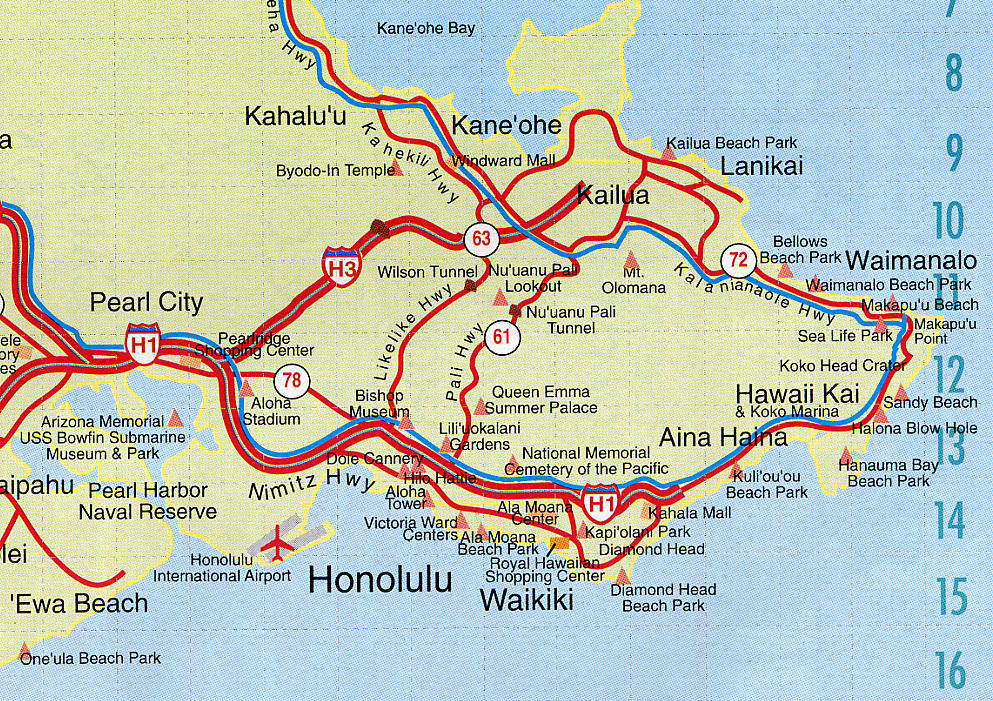
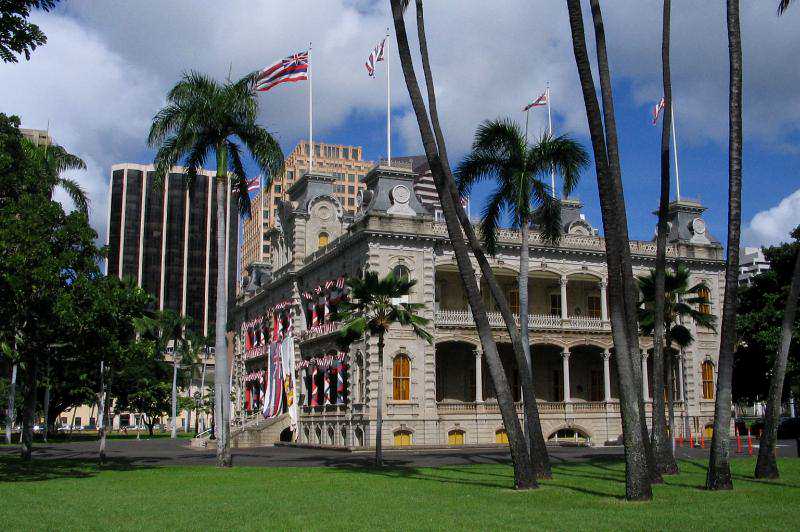
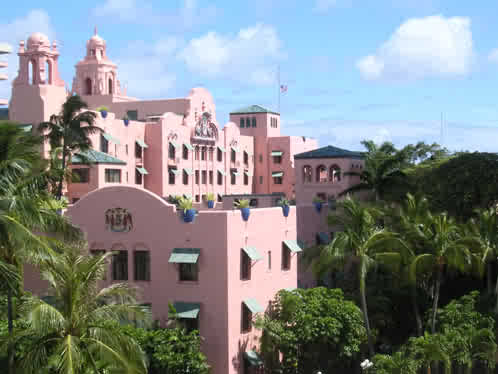
Honolulu is the capital as well as the most populous community of the State of Hawaii, United States. In the Hawaiian language, honolulu means "sheltered bay" or "place of shelter." The census-designated place (CDP) is located along the southeast coast of the island of Oahu. The term also refers to the District of Honolulu (see Geography below). As of July 1, 2004, the United States Census Bureau estimate for Honolulu puts the population at 377,260 and that of the city and county (essentially, the Island of Oahu) at 900,000. In Hawaii, local governments operate only at the county level, and the City & County of Honolulu encompasses all of the Island of Oahu (approximately 600 square miles/1,600 km²).